

How to Avoid Menthol Skin Irritation Step by Step
Quick Summary
To avoid menthol skin irritation, read the label, patch test a small amount on an inner forearm for 24 hours, and apply only a thin layer to clean, dry, unbroken skin. Avoid tight covering, heat, and stacking other products on the same area.
- Patch test a small amount on an inner forearm and wait 24 hours before full use.
- Apply only a thin layer, since more product does not mean more relief.
- Never apply to cuts, scrapes, rashes or serious burns.
- Skip bandages, plastic wrap and tight sleeves over the treated spot.
- Never use a heating pad or hot pack over a menthol cream.
Table of Contents
- Why Menthol Irritates Some Skin and What Normal Cooling Feels Like
- Step-by-Step Routine to Prevent Menthol Skin Irritation
- Booking Your First Patch Test and Choosing a Gentler Option at Faeve
- Frequently Asked Questions
Why Menthol Irritates Some Skin and What Normal Cooling Feels Like
Menthol is one of the most common active ingredients in topical pain relief, and for most people it causes nothing more than a cool, tingling feel. Some people, though, get redness, itching or burning within minutes, which is a classic sign of menthol skin irritation. Knowing the difference between normal cooling and real irritation is the first step to avoiding it.
Menthol works by activating cold-sensing nerve endings in the skin (TRPM8 is the Principal Mediator of Menthol-induced Analgesia of Acute and Inflammatory...). Your brain reads that signal as cool, even though the skin temperature has not changed. This is why a menthol product feels cold without lowering the temperature of the area.
Normal cooling usually feels like a mild, even chill that fades within a few minutes. A light tingle is also common and expected.
Irritation looks and feels different:
- Redness that spreads or lasts longer than an hour
- Itching or stinging that gets stronger over time
- A hot or burning feeling instead of a cool one
- Small bumps, swelling or blistering
Many people blame the menthol itself, but the cause is often the amount used, how often it is applied, or the condition of the skin. Sensitive skin, eczema and broken skin all raise the chance of a reaction. If you have any of these, talk with a doctor before using a menthol product.
Step-by-Step Routine to Prevent Menthol Skin Irritation
Most irritation can be avoided with a few simple habits. Follow these steps every time you use a menthol cream.
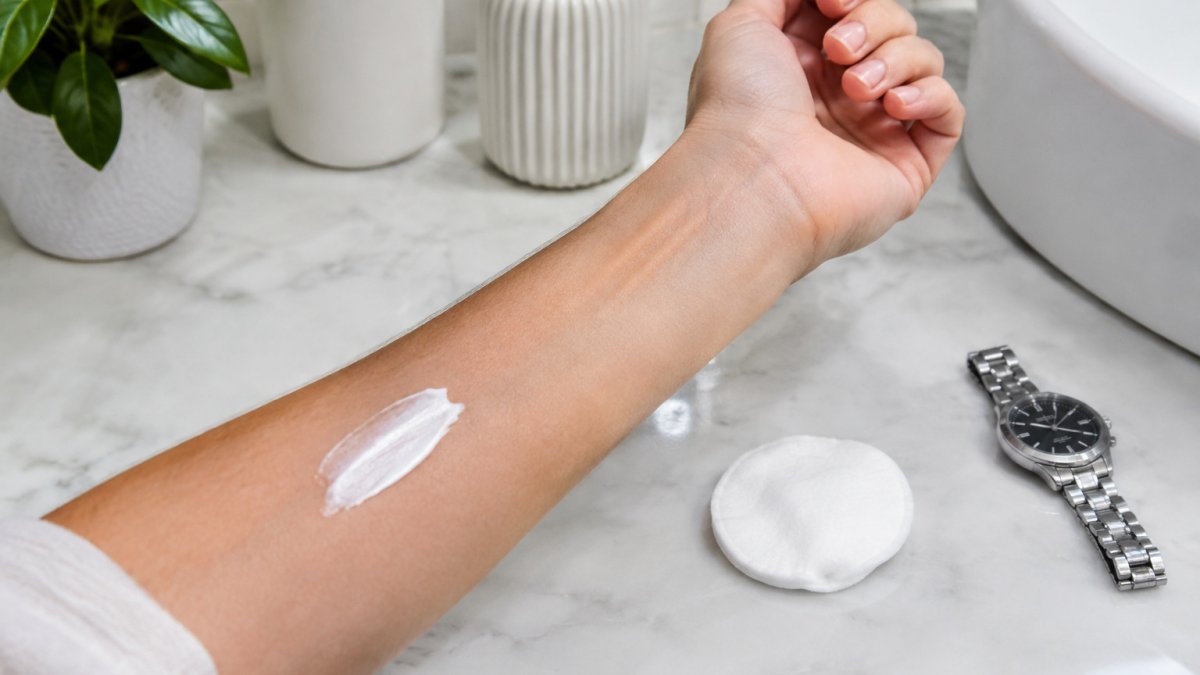
- Read the label first. Check the active ingredient and the directions. Kevo-Prophen, for example, directs adults and children 2 and older to apply it no more than 3 to 4 times daily.
- Patch test before the first full use. Apply a small amount to an inner forearm and wait 24 hours. Redness or itching means you should not use it there.
- Use a small amount. A thin layer covers most areas. More product does not mean more relief.
- Apply to clean, dry, unbroken skin. Never put it on cuts, scrapes, rashes or serious burns.
- Keep it away from eyes, nose and mouth. Wash your hands right after applying, unless the hands are the treated area.
- Do not cover the area tightly. Skip bandages, plastic wrap and tight sleeves over the spot, since they trap heat and product.
- Be careful with heat and exercise. Hot showers, heating pads and intense workouts can make the skin react more strongly. Wait until the skin is calm before applying.
- Avoid stacking products. Using several topical ingredients at once can raise the chance of irritation.
Watch out: Never use a heating pad or hot pack over a menthol cream. The heat can increase absorption and irritation.
The steps below summarise the key actions to take each time you use a menthol cream.
| Step | What to do | Time or frequency |
|---|---|---|
| Read the label | Check the active ingredient and directions | Before every use |
| Patch test | Apply a small amount to an inner forearm | Wait 24 hours |
| Use a small amount | Apply a thin layer | Per application |
| Apply to clean skin | Use only on clean, dry, unbroken skin | Each application |
| Protect eyes, nose, mouth | Wash hands right after applying | Immediately after |
| Avoid tight covering | Skip bandages, plastic wrap, tight sleeves | Each application |
| Avoid heat and exercise | Wait until skin is calm before applying | Until skin is calm |
| Avoid stacking products | Do not combine several topical ingredients | At the same time |
Booking Your First Patch Test and Choosing a Gentler Option at Faeve
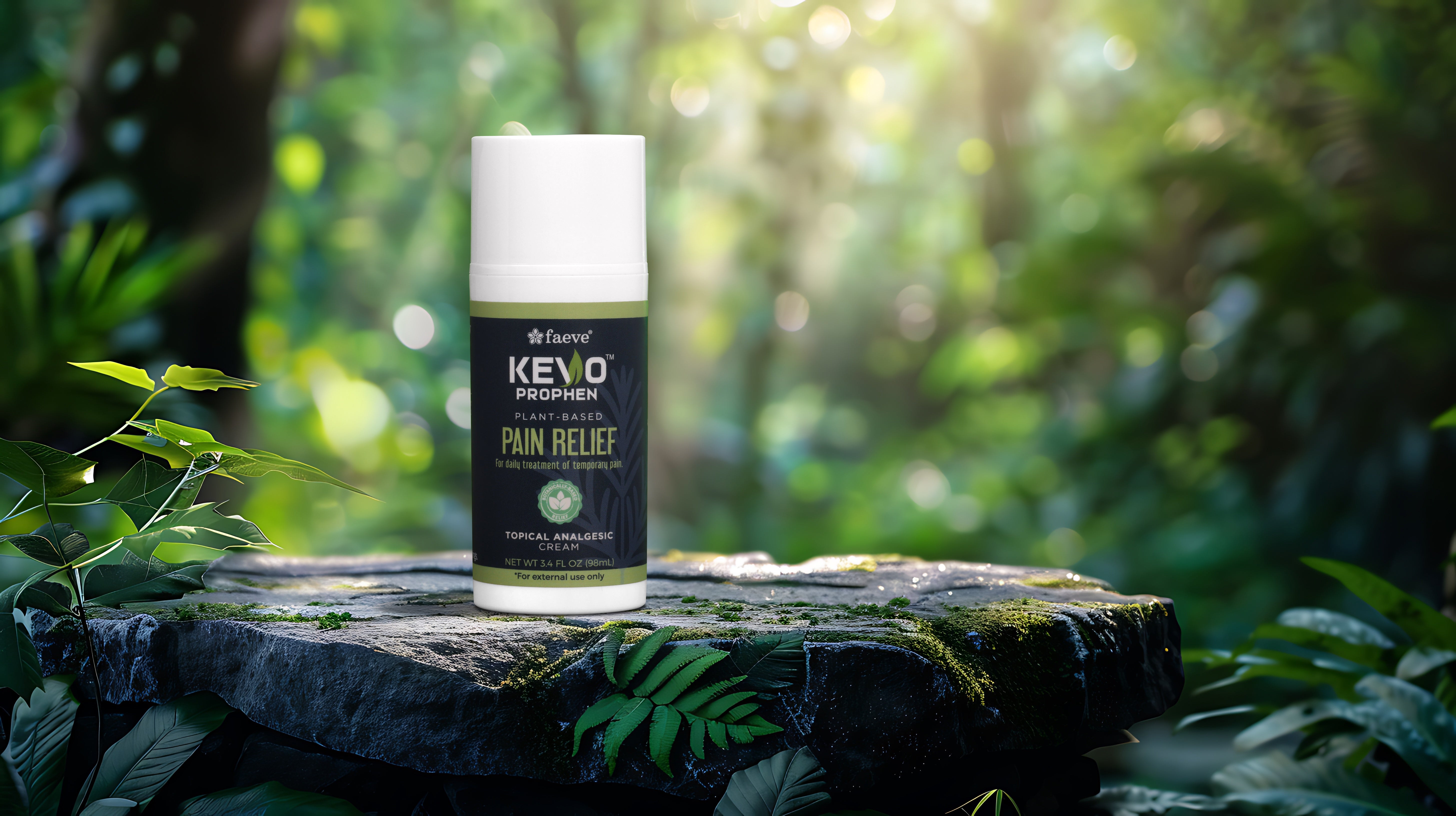
If you want to try a menthol-free or lower-intensity option, the patch test in the steps above is still the best first move. At Faeve, we recommend starting small with any new topical product, including Kevo-Prophen. Our formula is built on juniper tar at 1% in a botanical base, and it does not rely on menthol. Still, every person's skin reacts differently, so a patch test is a smart step.
If you have questions about whether our product fits your skin, you can contact Faeve with your pain relief questions. Our team can help you think through a patch test or a gentler option before you buy.
If you are ready to try it, you can find Kevo-Prophen at a retail location near you and skip the wait for shipping. You can also view the Kevo-Prophen product page and ingredients before you decide.
Frequently Asked Questions
Can menthol cause skin irritation?
Yes. Menthol produces a cooling sensation by stimulating cold-sensing nerve receptors, and in some people it also triggers redness, itching, burning or stinging. Sensitive skin, broken skin and high amounts or concentrations raise the risk. Normal cooling fades within a few minutes, while irritation that builds, blisters or lasts longer should prompt you to wash the area with mild soap and water and stop using the product. If symptoms are severe or spreading, contact a doctor.
Can you use menthol cream on sensitive skin?
People with sensitive skin or eczema should test a small area first and wait at least 24 hours before wider use. Use the smallest amount the label directs, and avoid applying it to broken skin, serious burns or deep wounds. Kevo-Prophen is labeled for adults and children 2 years and older, applied no more than 3 to 4 times daily. Children under 2 should not use it without consulting a physician.
What should you do if menthol cream causes burning or redness?
Stop using the product right away and wash the area gently with lukewarm water and a mild, fragrance-free soap to remove residue. Do not cover or tightly wrap the area. Keep the product away from your eyes, nose and mouth. If redness, swelling or burning persists, worsens, or you notice blistering or trouble breathing, seek medical advice promptly.
